
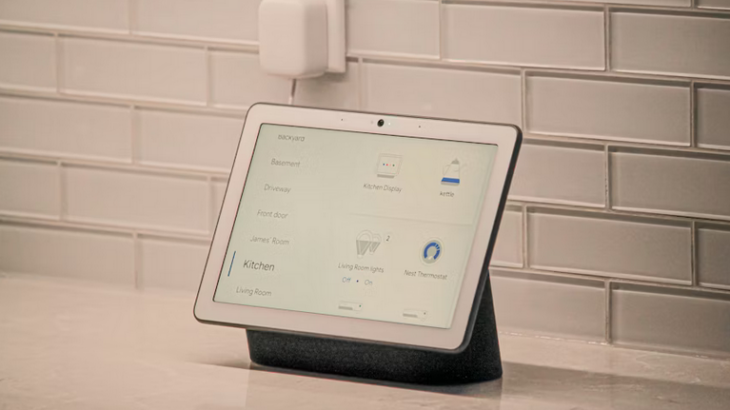
The concept of a smart home is no longer science fiction. Everyday devices are now equipped with technology that makes life more convenient, efficient, and secure. From lighting and thermostats to refrigerators and security systems, new technology is transforming the way we interact with our homes. Smart home upgrades provide not only convenience but also energy savings and enhanced control. These devices are increasingly accessible to homeowners, creating opportunities for both comfort and efficiency. This article explores how new technology is revolutionizing everyday devices and reshaping modern living.
The Rise of Smart Home Technology
Smart home technology has grown rapidly in recent years. Affordable sensors, Wi-Fi-enabled devices, and user-friendly apps have made automation practical for many households. The ability to control multiple devices from a single platform or smartphone has changed daily routines. Homeowners no longer need to manage individual systems manually. The convenience and adaptability of smart technology ensure that households can operate efficiently without constant supervision.
Climate Control and Connected Thermostats
Smart thermostats are another transformative upgrade. These devices learn homeowners’ schedules and adjust temperatures automatically. Remote access allows users to control climate settings from anywhere. Advanced systems can detect weather patterns and occupancy to optimize energy usage. Smart climate control contributes to lower utility bills while maintaining comfort throughout the home. It ensures that the home environment is always tailored to the needs of its occupants.
Smart Lighting Systems
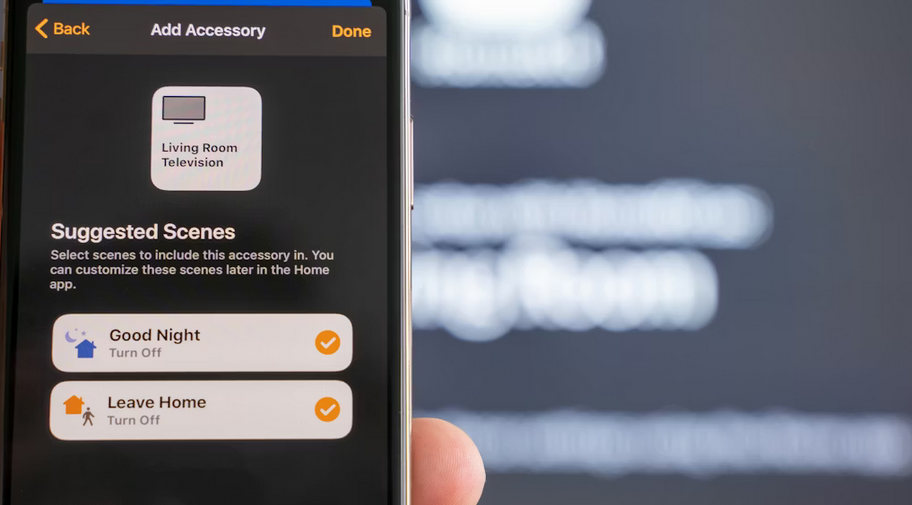
Lighting is one of the most common smart home upgrades. Intelligent bulbs and switches can be controlled remotely or set to operate on schedules. Motion sensors can trigger lights in specific areas, enhancing safety and reducing energy waste. Some systems integrate with voice assistants, allowing simple commands to adjust brightness or color. Smart lighting not only saves energy but also creates ambiance, improving the overall home experience.
Voice Assistants and Home Hubs
Voice-controlled assistants act as central hubs for smart home devices. They can control lighting, climate, security, and entertainment systems through simple commands. Automation routines can be set to execute multiple actions with a single voice prompt. These hubs improve accessibility, especially for those with mobility challenges or busy lifestyles. By centralizing control, voice assistants make smart home management seamless and intuitive.
Smart Appliances in the Kitchen
Kitchen appliances have also become smarter. Refrigerators can track expiration dates, suggest recipes, and notify users of low stock items. Ovens and coffee makers can be controlled remotely, allowing meals to be prepared efficiently. Smart appliances save time and reduce waste while improving convenience. They create a connected environment where routine kitchen tasks are simplified and more enjoyable.
Enhanced Security Systems
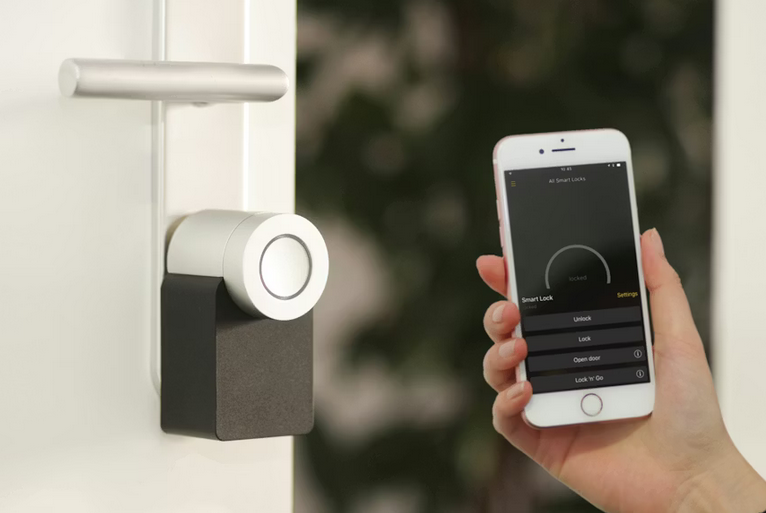
Home security has been revolutionized by technology. Smart cameras, doorbells, and locks provide real-time monitoring and alerts. Homeowners can see who is at the door, monitor activity, and lock or unlock doors remotely. Integration with smartphones and cloud storage enhances both convenience and safety. These systems provide peace of mind and a unique level of control over home security that was not possible with traditional methods.
Energy Management and Sustainability
Smart technology contributes significantly to energy efficiency. Connected devices can monitor energy usage and suggest ways to reduce consumption. Solar integration, smart plugs, and energy-tracking apps allow homeowners to make informed decisions about power usage. Efficient energy management supports sustainability while lowering household costs. This balance of technology and responsibility is increasingly important for modern living.
The Future of Smart Homes
Artificial intelligence and machine learning enable devices to anticipate needs and adapt automatically. Enhanced interoperability between devices will simplify management and increase functionality. As technology advances, smart homes will continue to provide unique experiences, convenience, and efficiency, making everyday life more enjoyable and sustainable.
Smart home upgrades are transforming the way we interact with everyday devices. From lighting and climate control to security, kitchen appliances, and energy management, technology provides convenience, efficiency, and peace of mind. Voice assistants and centralized hubs streamline control, while sustainable practices reduce costs and environmental impact. Thoughtful integration of smart devices ensures a more comfortable, safe, and efficient home. These upgrades represent a unique combination of innovation and practicality, shaping the future of modern living and enhancing daily experiences for homeowners.

 uter where an instance of a program is loaded before it can be executed. The bigger the RAM, the more apps you can open at a go, and the faster your tablet will be. Get one with at least 2GB of RAM.